
The Case for Mother of Pearl
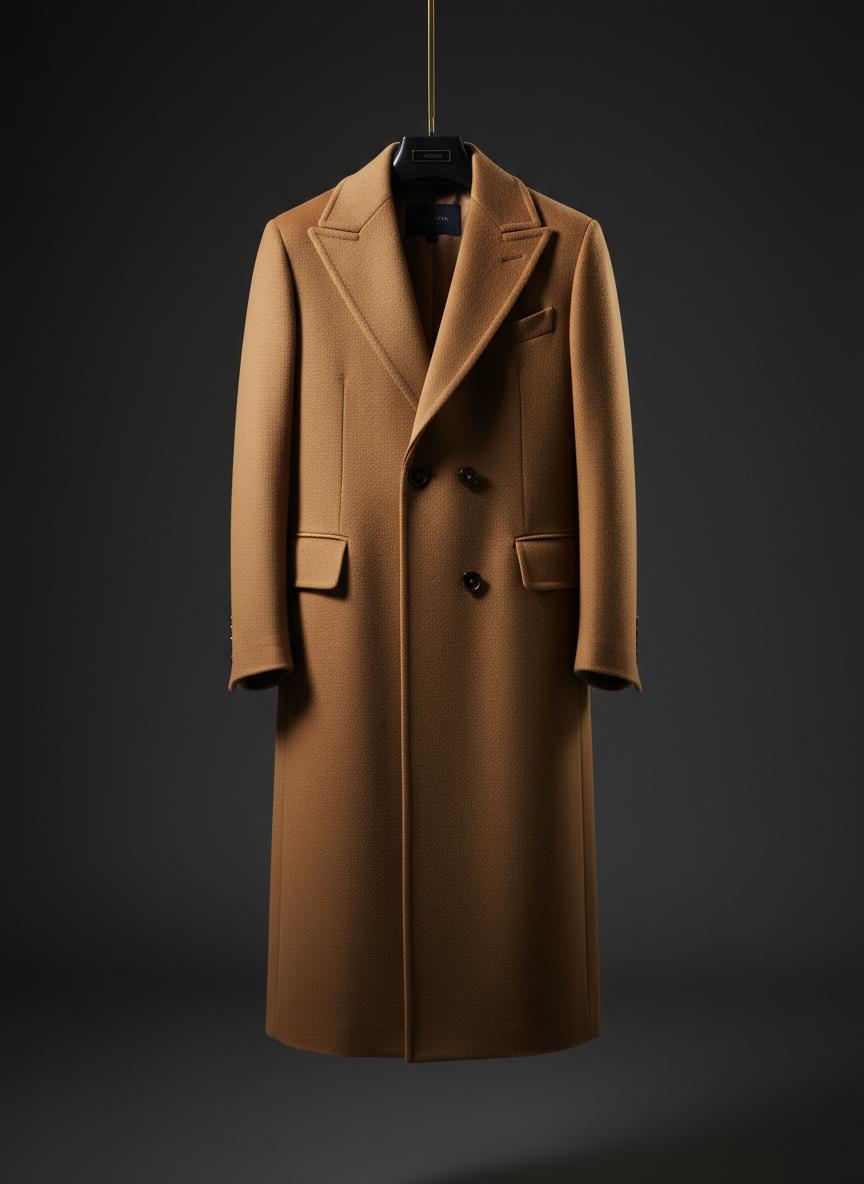
Plastic buttons chip. Horn wears unevenly. Mother of Pearl lasts forever and looks better with age. Here's why we insist on them.
The button is the last decision made on a garment and the first thing a viewer notices up close. It is small, easy to overlook, and disproportionately important. Plastic chips, horn wears unevenly at the edges, and corozo fades with light. Mother of pearl does none of these things — it deepens with age, and no two buttons are ever identical.
What Makes It Different
Mother of pearl — nacre — is the iridescent inner lining of certain mollusc shells, most commonly the Pinctada maxima of the South Pacific. The material's characteristic sheen comes from its layered crystalline structure, which diffracts light differently at every angle of observation. A mother of pearl button under natural light is never simply white: it carries blues, greens, and warm golds in constant, shifting relationship.
The practical qualities match the aesthetic ones. Nacre is extraordinarily hard — harder than most plastics used in garment manufacture — and exceptionally resistant to the alkaline conditions of perspiration that deteriorate synthetic alternatives over time. A mother of pearl button on a well-cared-for shirt will outlast the shirt itself by decades.
"We tried every alternative. Horn is beautiful but fragile at the edges. Corozo is honest but flat. Nothing behaves like mother of pearl — nothing ages like it, nothing catches light like it."
A Standard, Not an Option
At Roos Brothers, mother of pearl is our standard on all dress shirts and formal jackets — not an upgrade or a premium tier. The difference between a nacre button and a synthetic one is visible at arm's length and obvious to the touch. It is one of the few areas where the finest choice is also the most durable and the most economical over the life of a garment.
Over time, the buttons of a well-worn shirt become polished by handling, developing a warmth and translucency that newly-cut nacre does not yet possess. This is the quality we design for — not the garment that looks best on the day of purchase, but the one that looks best in ten years' time.